Take a tour of the Radio Museum
The radio business that Stikoni took over was established at the address at Jernbanegade 37 by Andreas Duus in 1952.
Duus only managed to run the business at this address until the autumn of 1955 when he died.
See a picture of Andreas Duus in the series of pictures below.
|
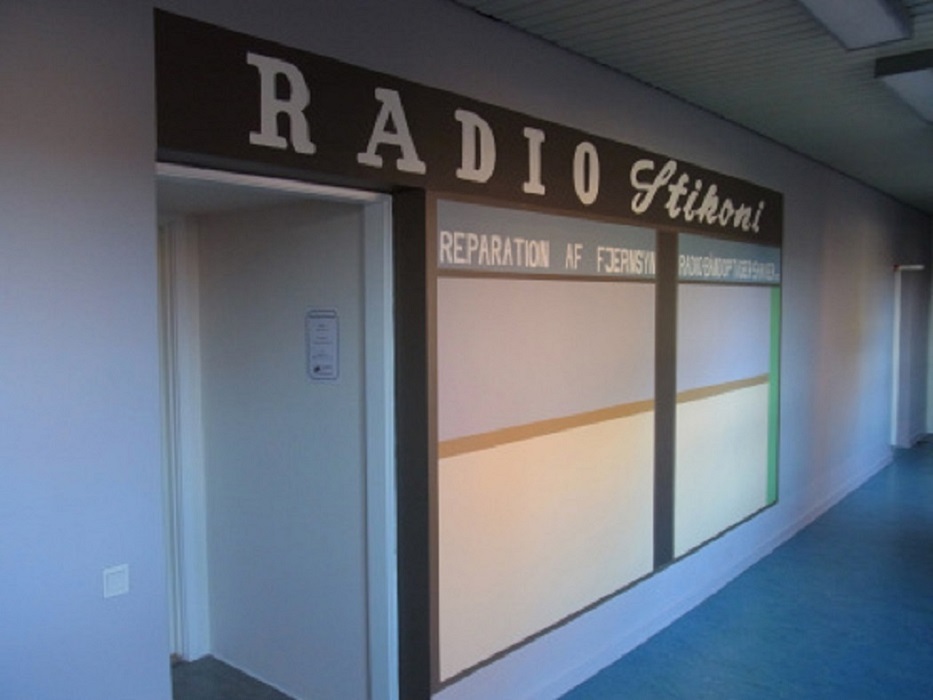
The facade facing Jernbanegade
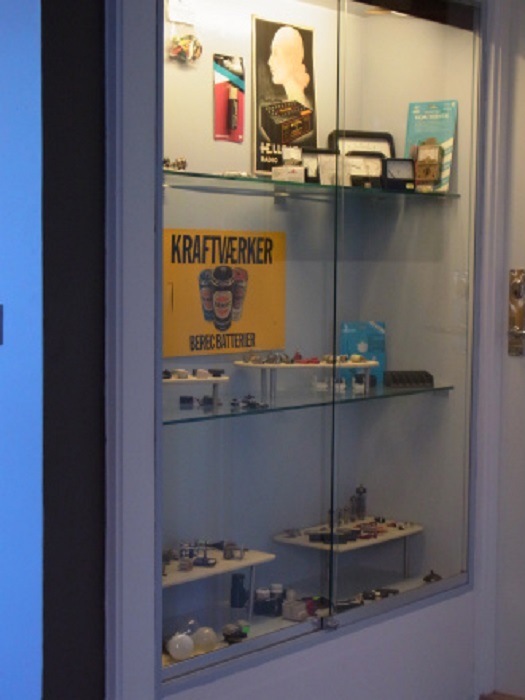
Showcase with components
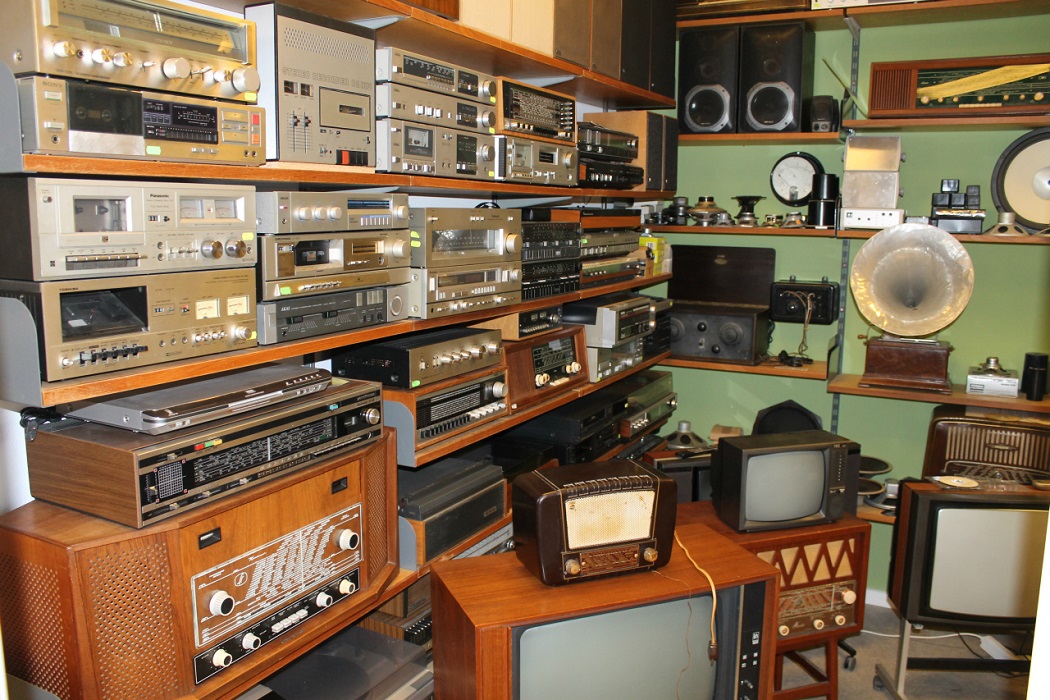
A look inside the crooked shop. The crooked angle arose when Jernbanegade was cut through to Chr. X.'s bridge in 1929
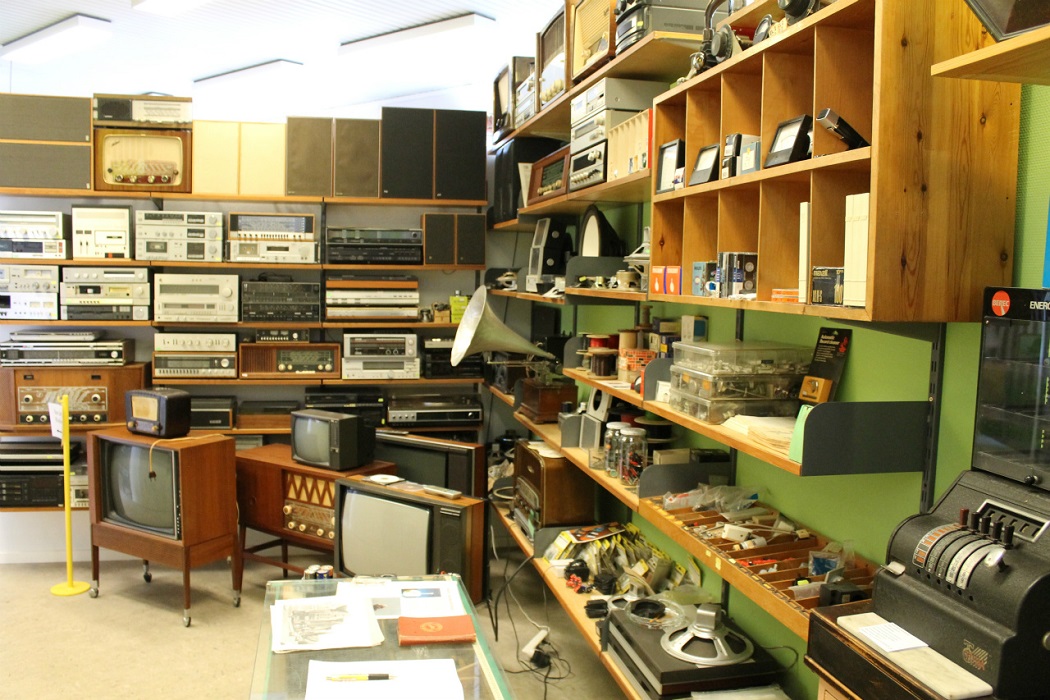
The store from another angle
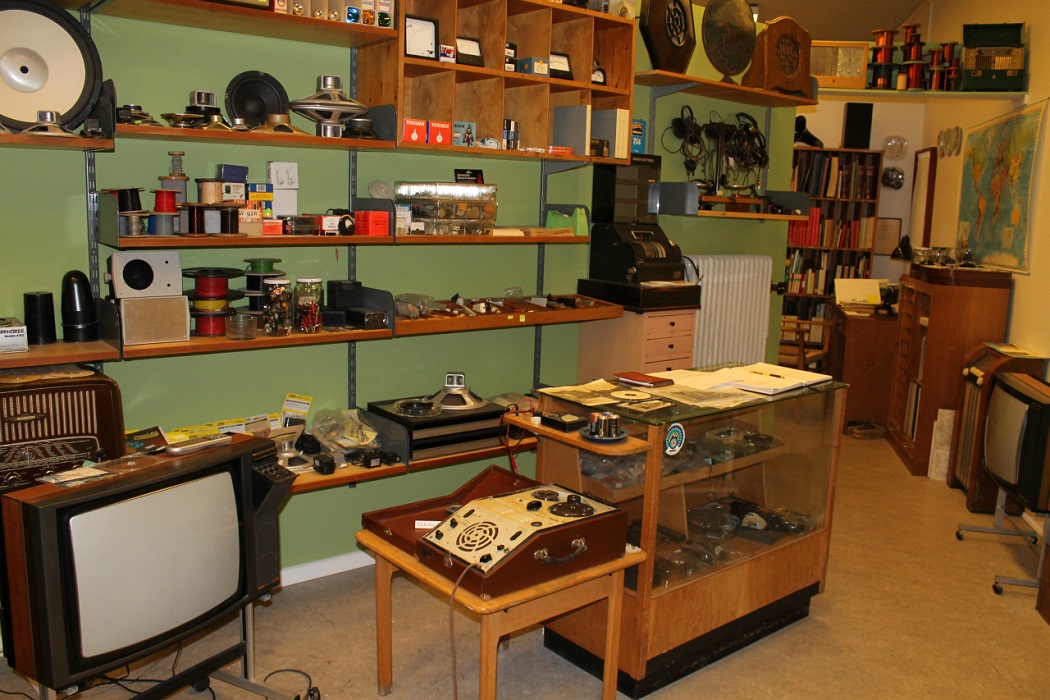
The old counter and cash register
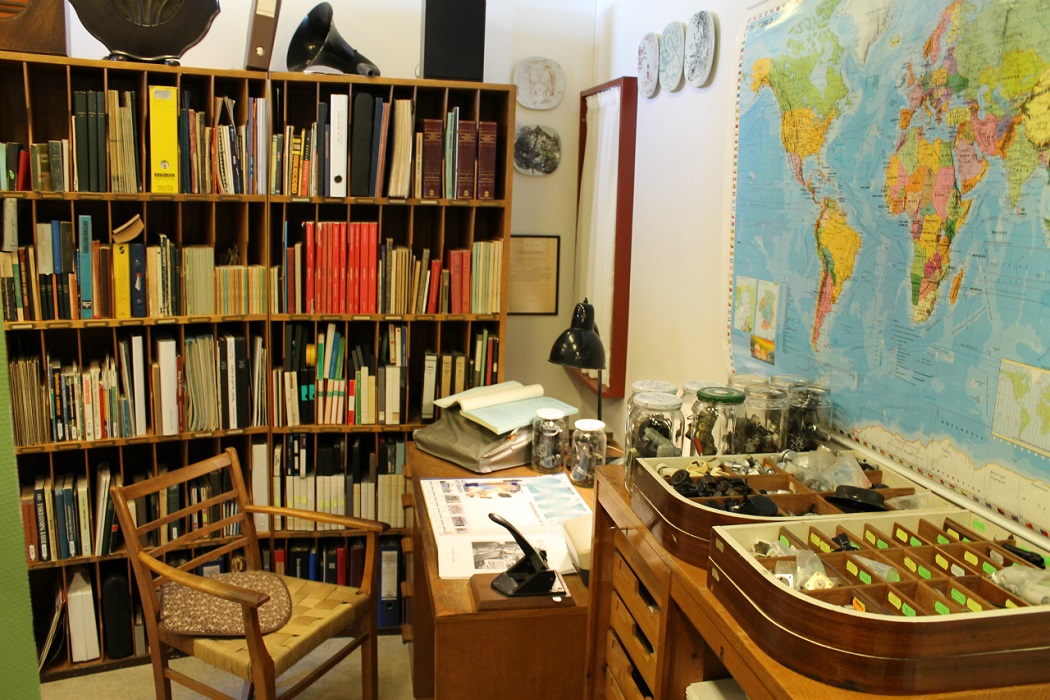
The office with the record rack
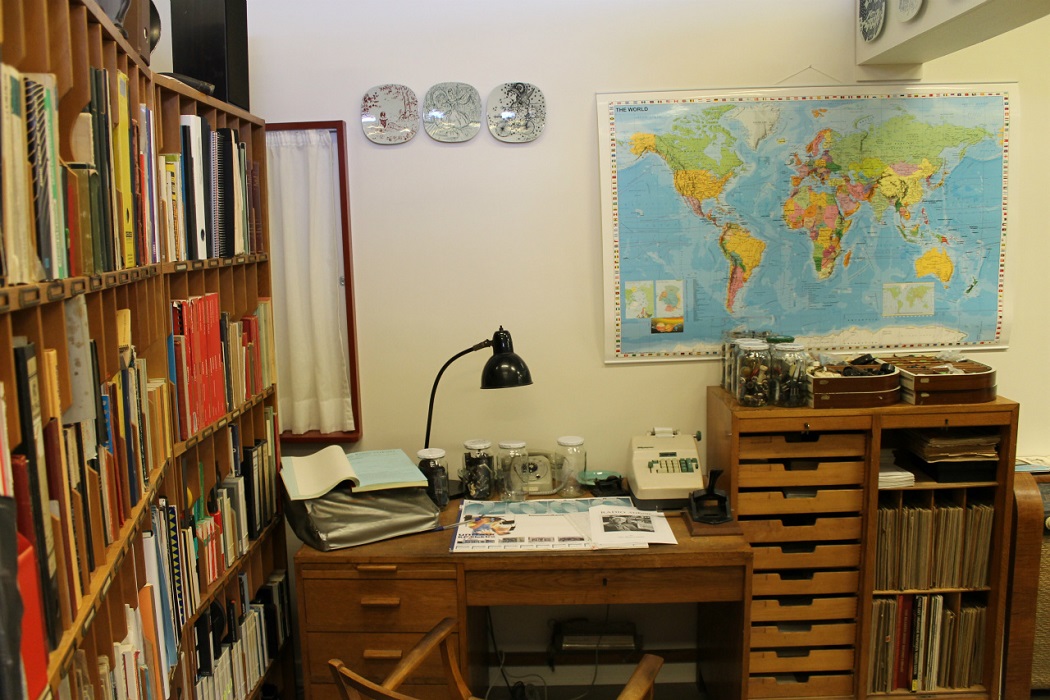
The office from another angle

The workshop with two measuring stations
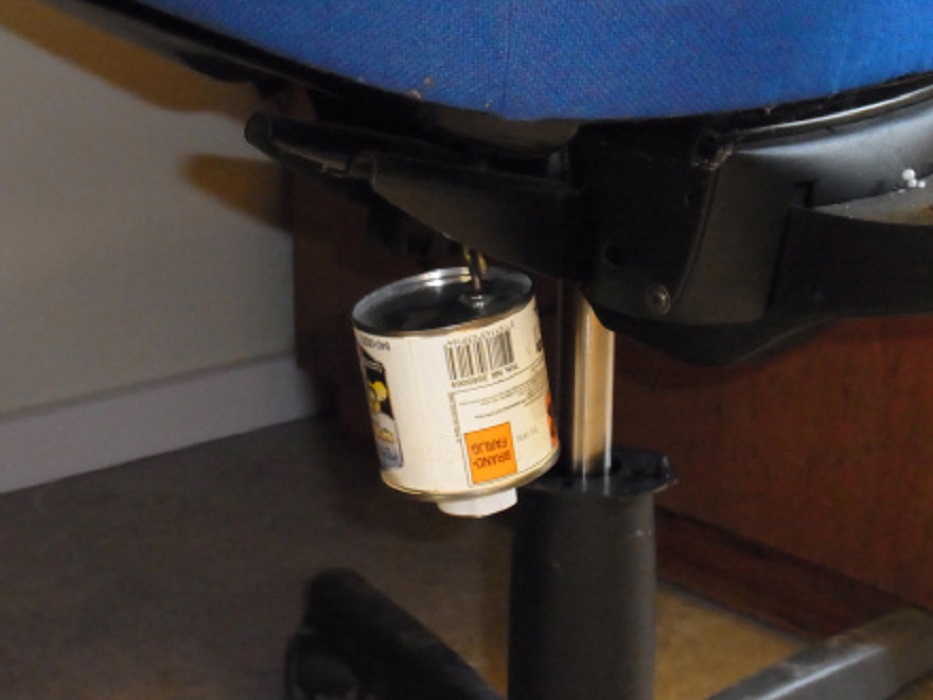
Here under the chair hung the can of Slipol - so it was always shaken and ready

The Tefifone. A "tape gramophone" that plays German schlager music

Measuring instrument collection

Instruments from the last century

Great instruments from Radiometer

In the foreground, quality instruments from Brüel & Kjær - and in the background, popular measuring instruments developed by B&O for its own production.
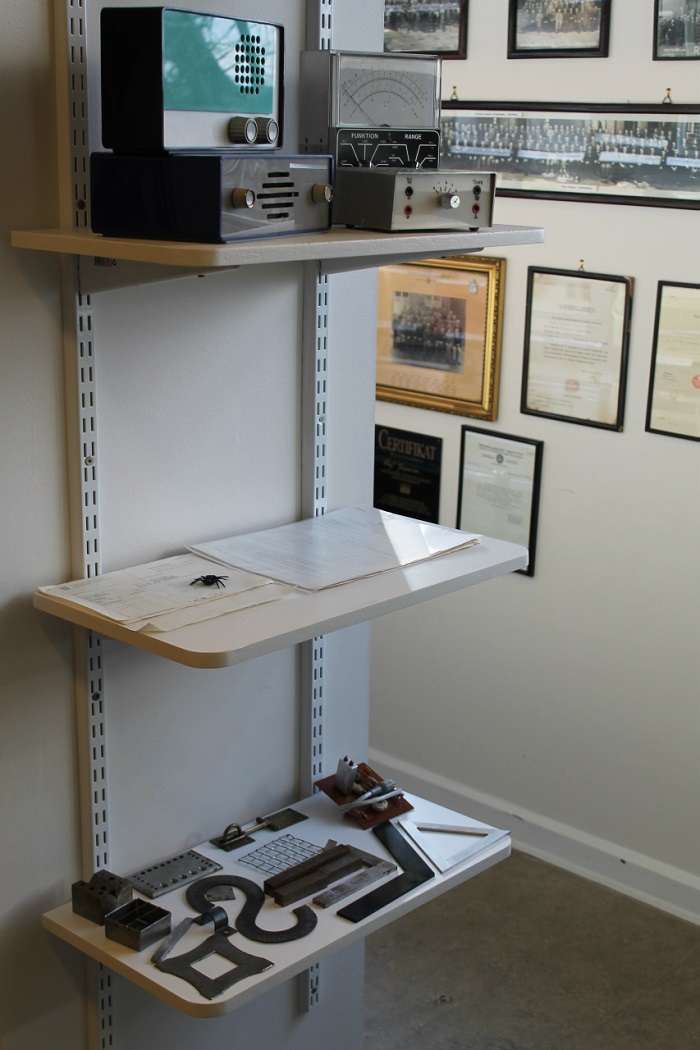
Tasks from radio and electronics mechanic preschool/vocational school
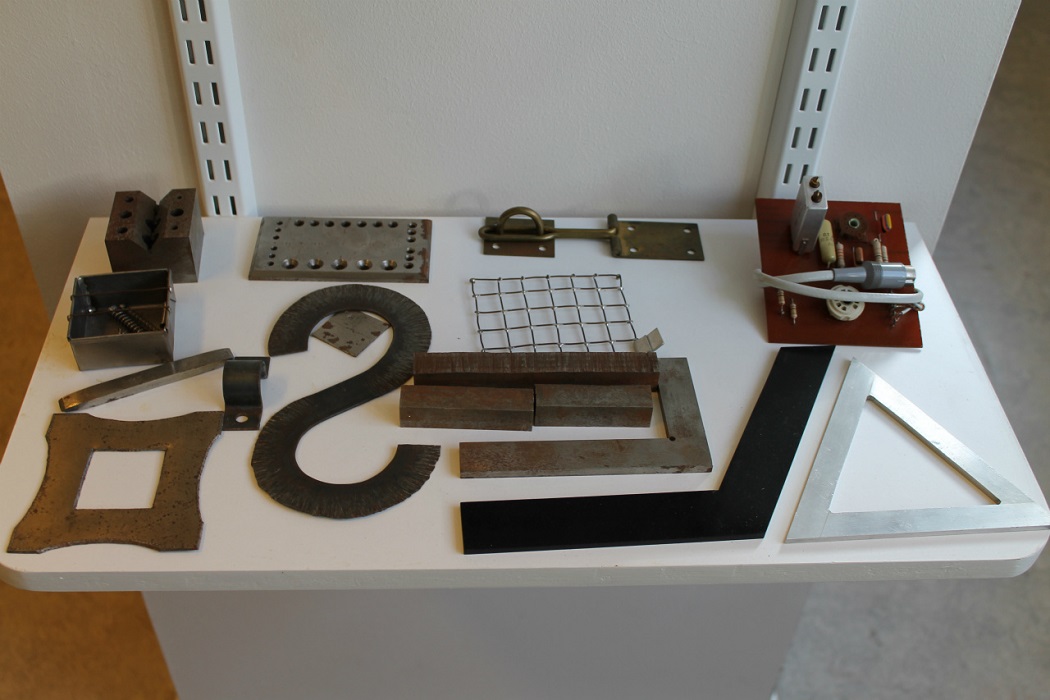
Assignments from the file school - unfortunately the machine vise is missing, as it was only introduced into the teaching at a later time than is applicable to this collection of assignments.
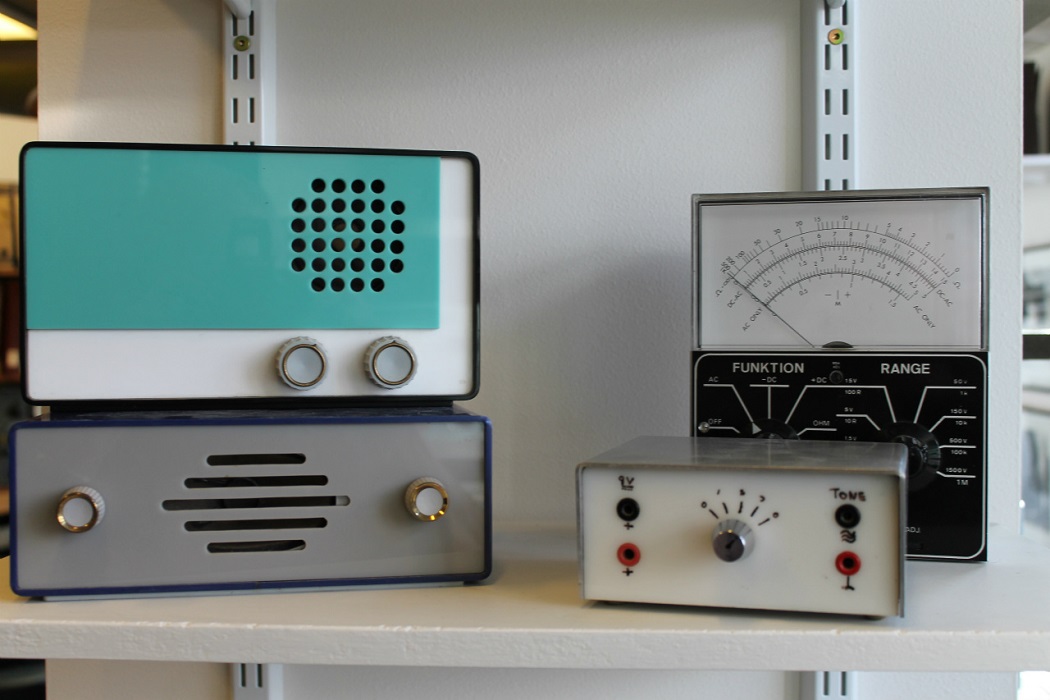
Electrical and mechanical tasks from the file school. On the left a receiver and a superheterodyne receiver - was for good reason nicknamed "The Silent Dane" among the apprentices. On the right measuring instruments
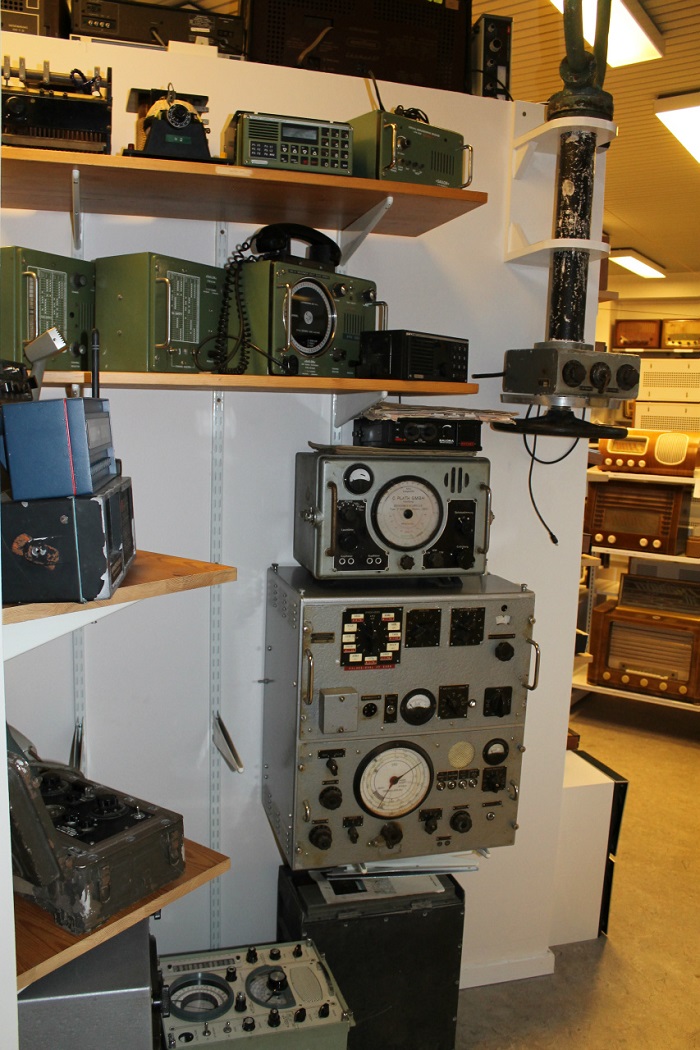
A small corner with marine electronics
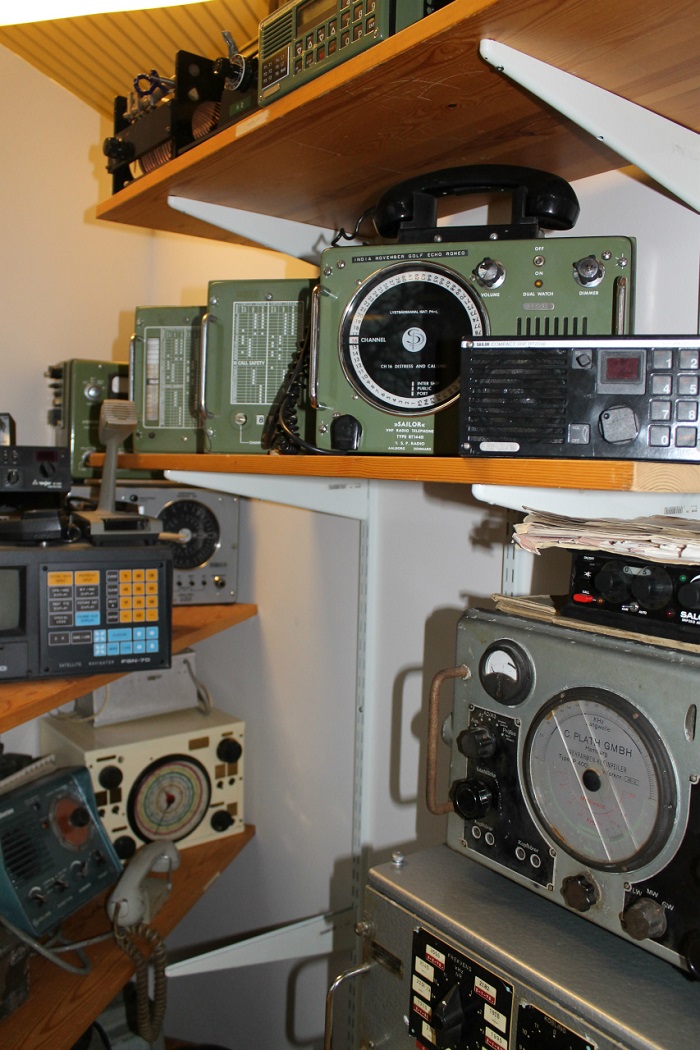
From another angle
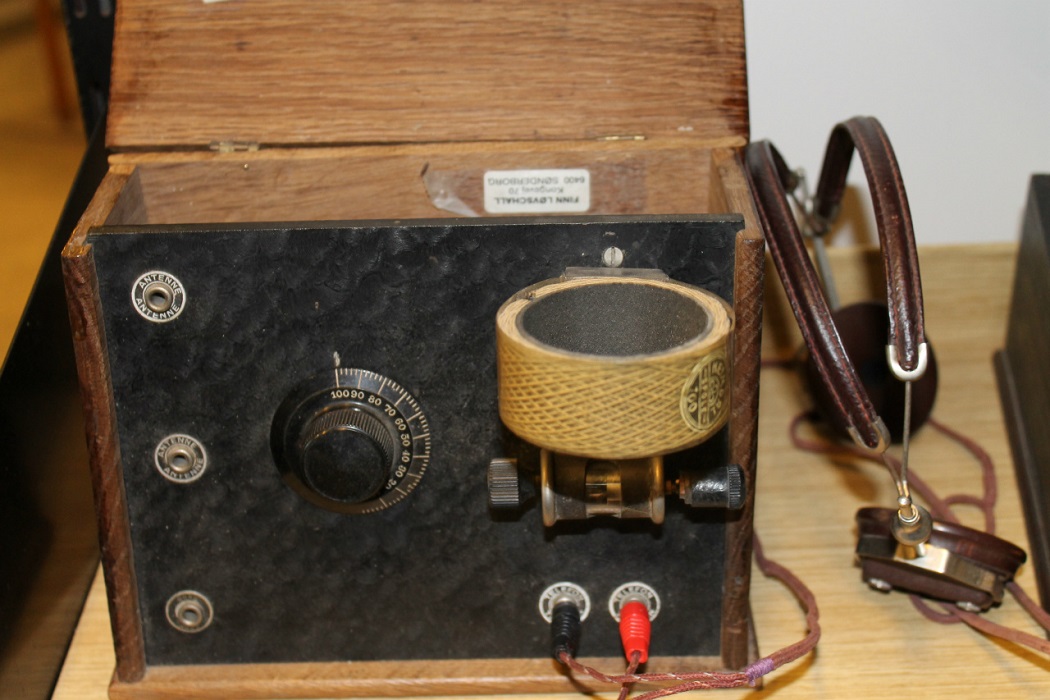
The crystal receiver - the first very simple receiver, powered solely by the energy of the transmitter, and therefore could only be listened to with high-impedance headphones
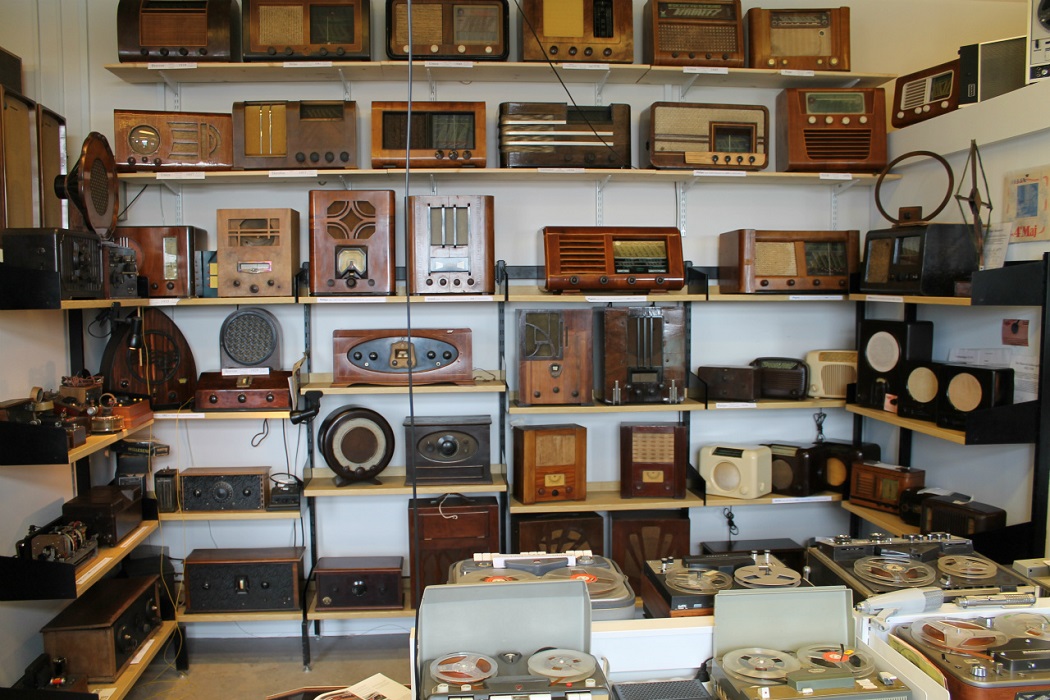
Radios from the "beginning"
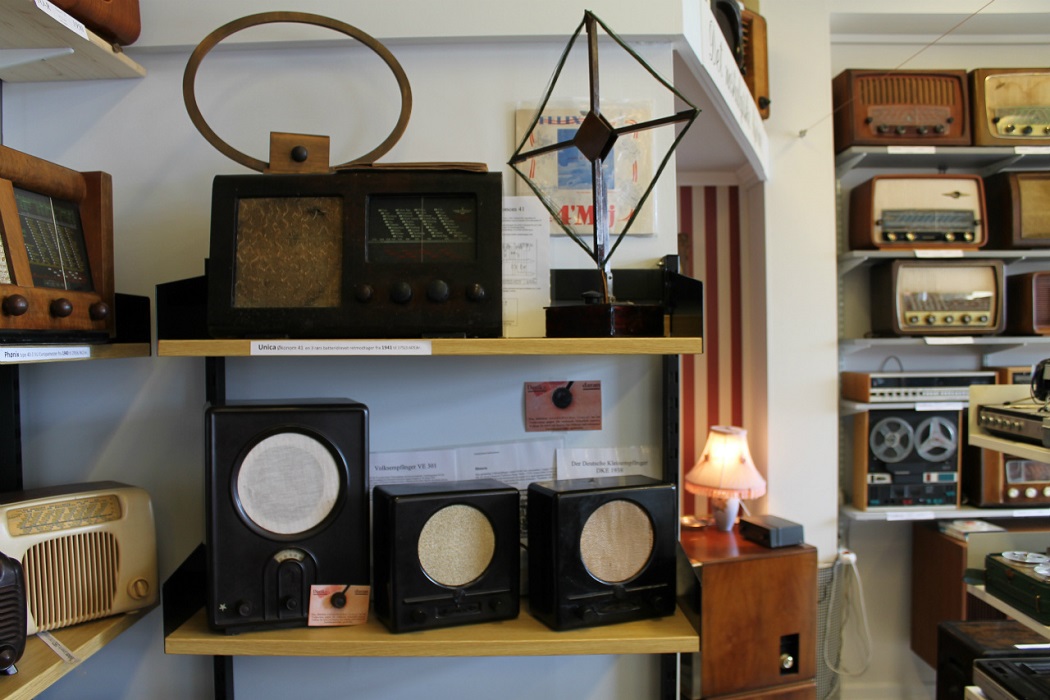
Radios from World War II
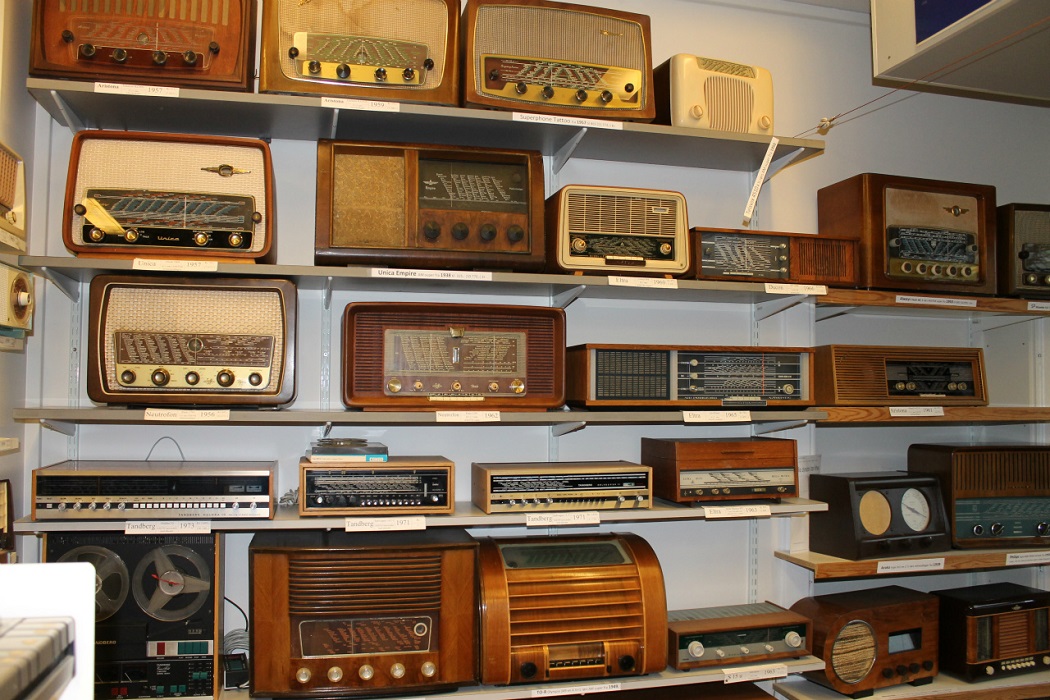
Radios from smaller Danish factories - as well as a single shelf with the Norwegian manufacturer Tandberg
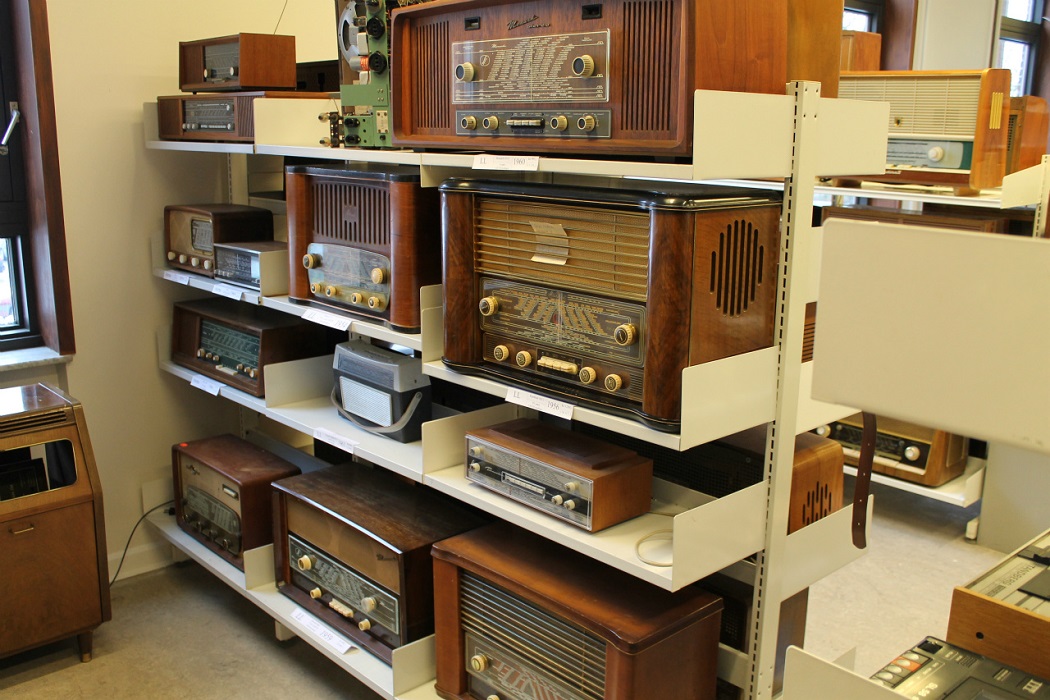
Radios from Arena and LL (Linnet & Laursen)
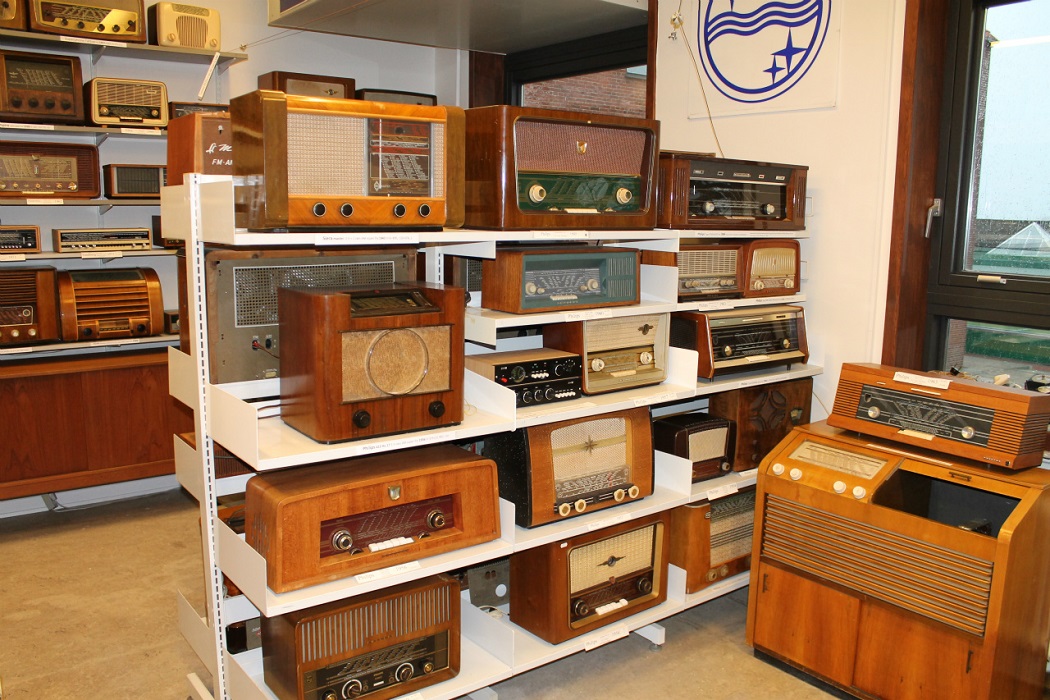
Philips radio receivers

German radios from both East and West. The Braun set on the right on the shelf was designed by Dieter Rams (educated at the Bauhaus Design School [1919-1933] in Dessau, Germany)

It was these models from Braun that inspired B&O to the design that became the hallmark of the company from around 1964 until today.
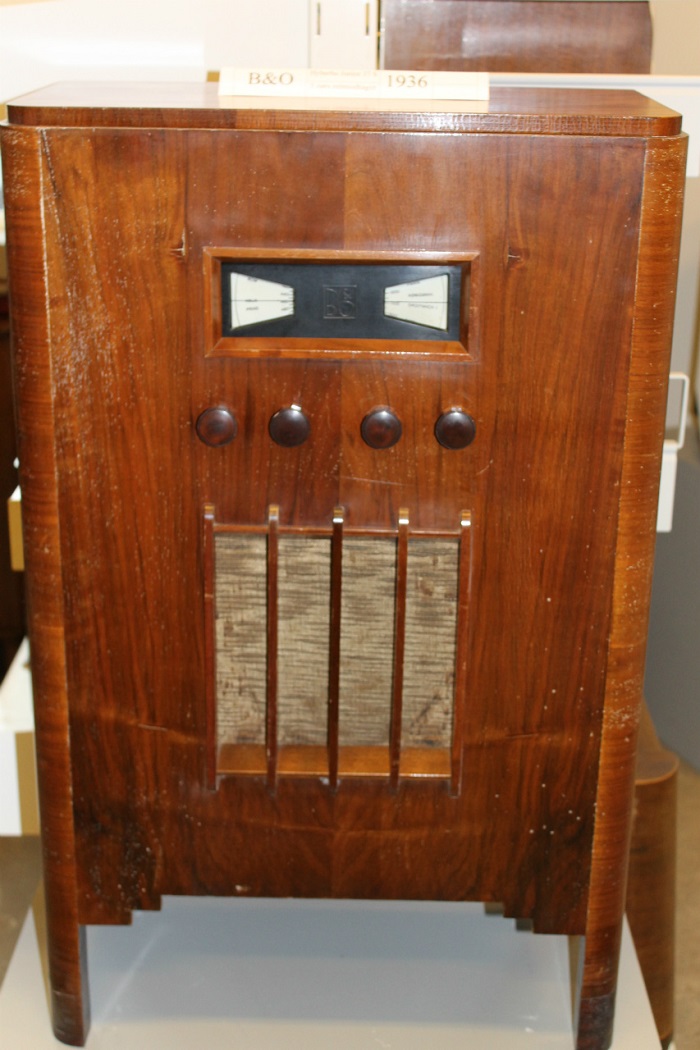
B&O from 1936 - the design has changed as much as the technology
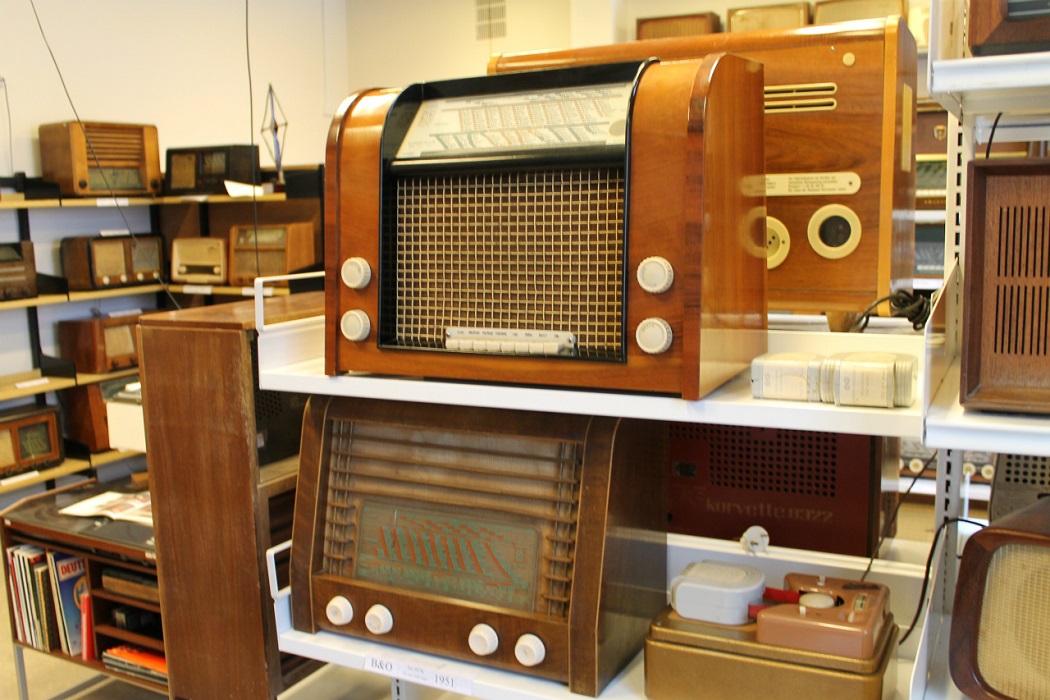
Nice old receivers from B&O
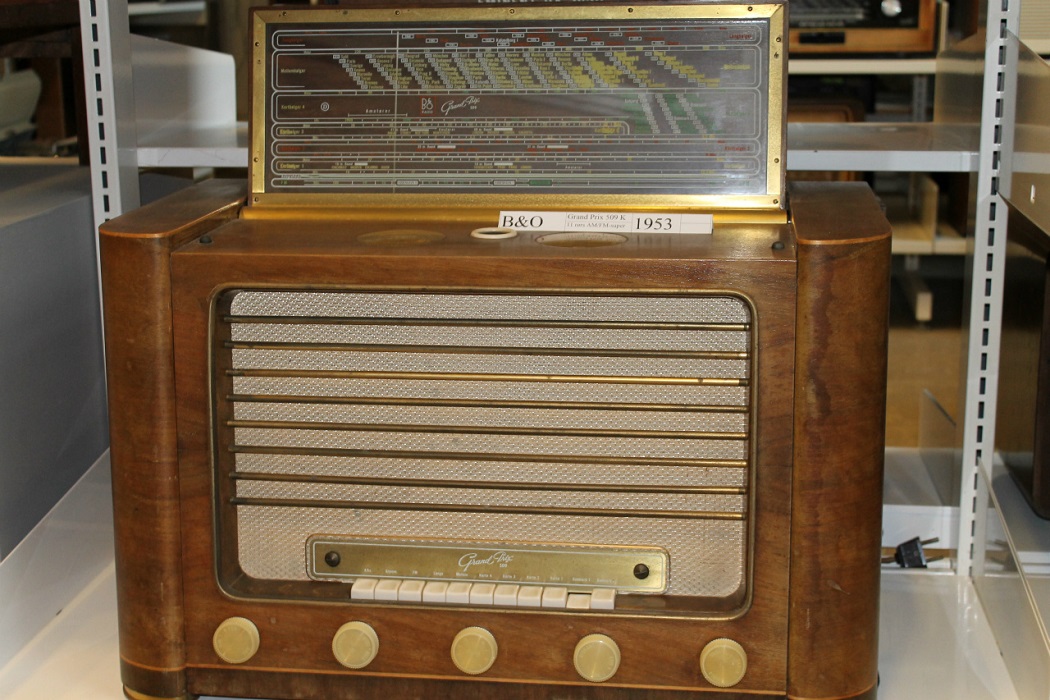
B&O Grand Prix from 1953 - here every detail is taken care of

A wall of B&O models representing approximately the last 40 years of the last century
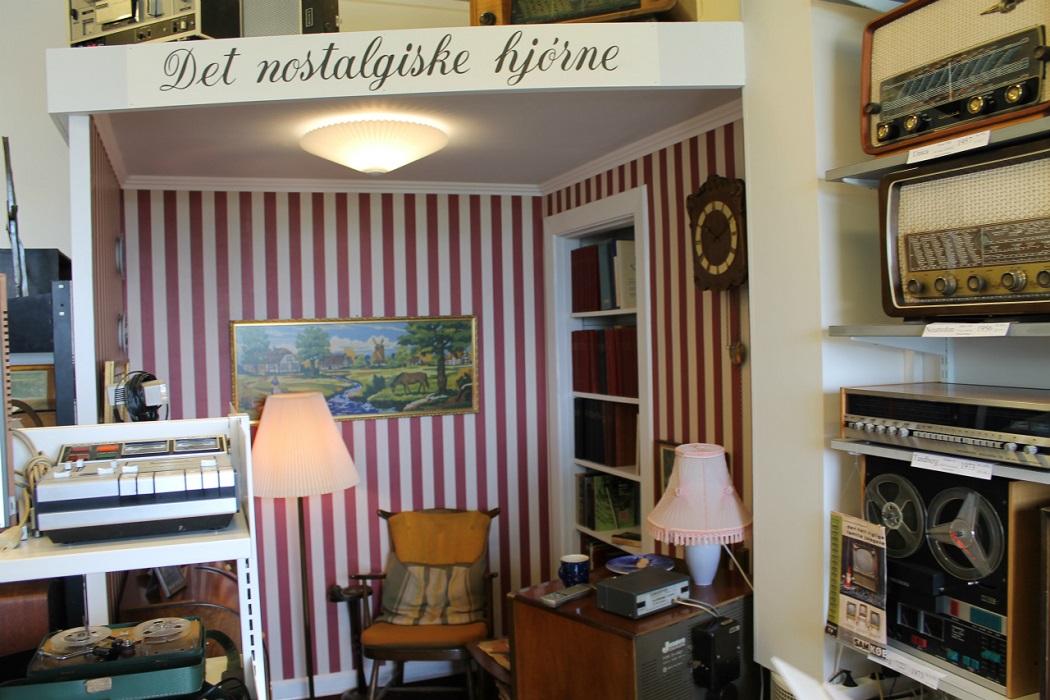
Sit down here, turn on the radiogramophone and dream yourself back in time
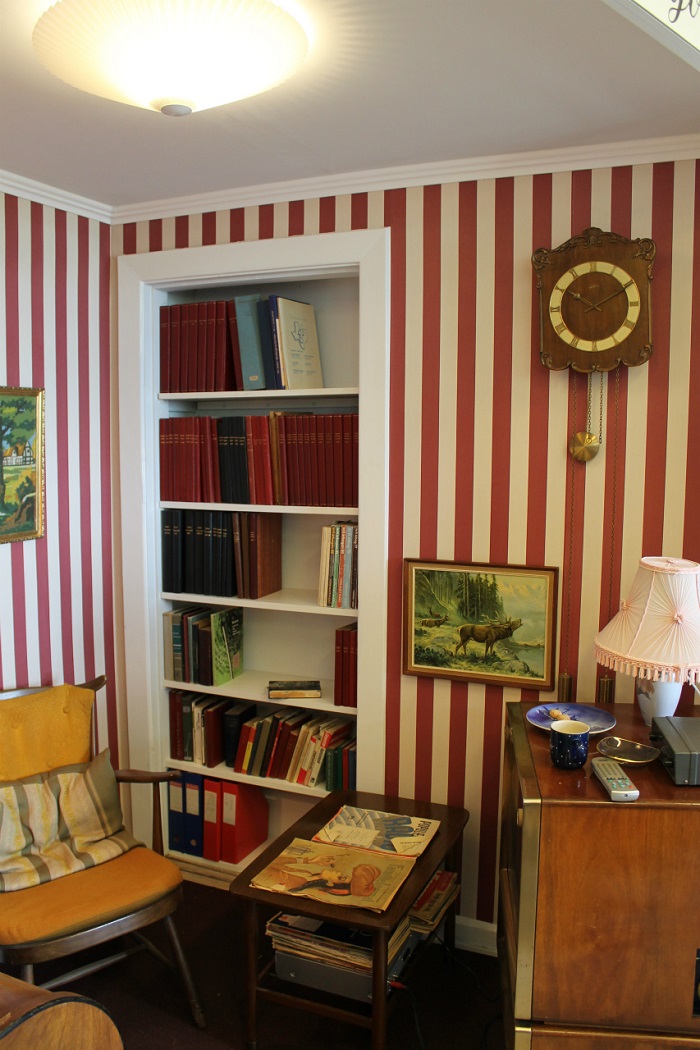
The Nostalgia Corner from a different angle
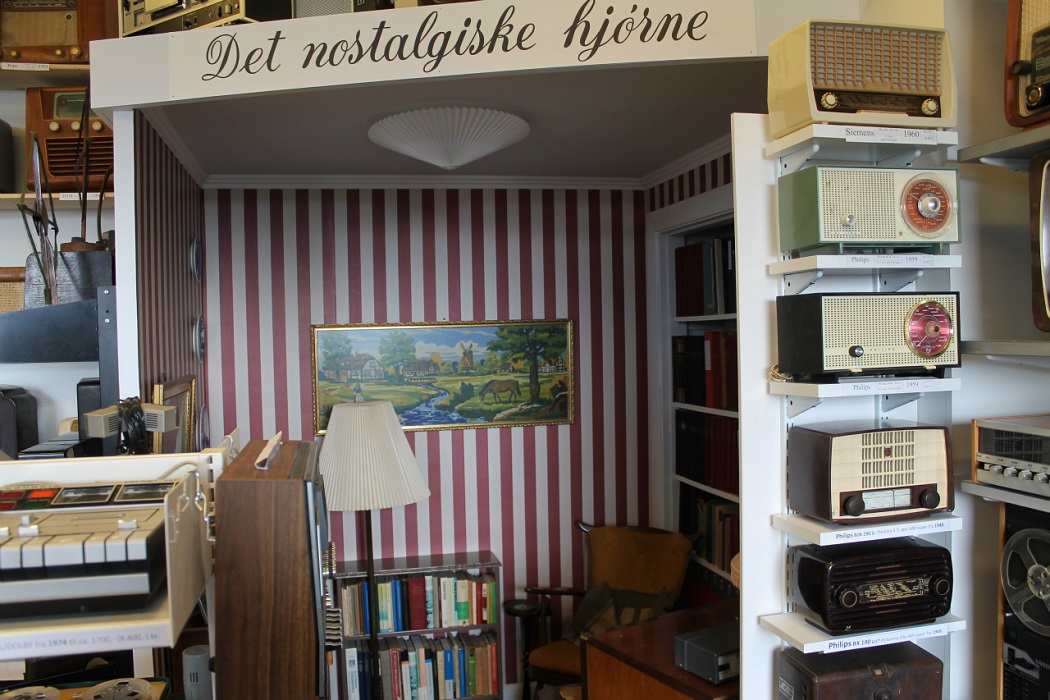
Nostalgia Corner equipped with a new shelf, as well as a front wall, which partly helps to frame the corner, and partly serves as a shelf wall for smaller radio receivers.
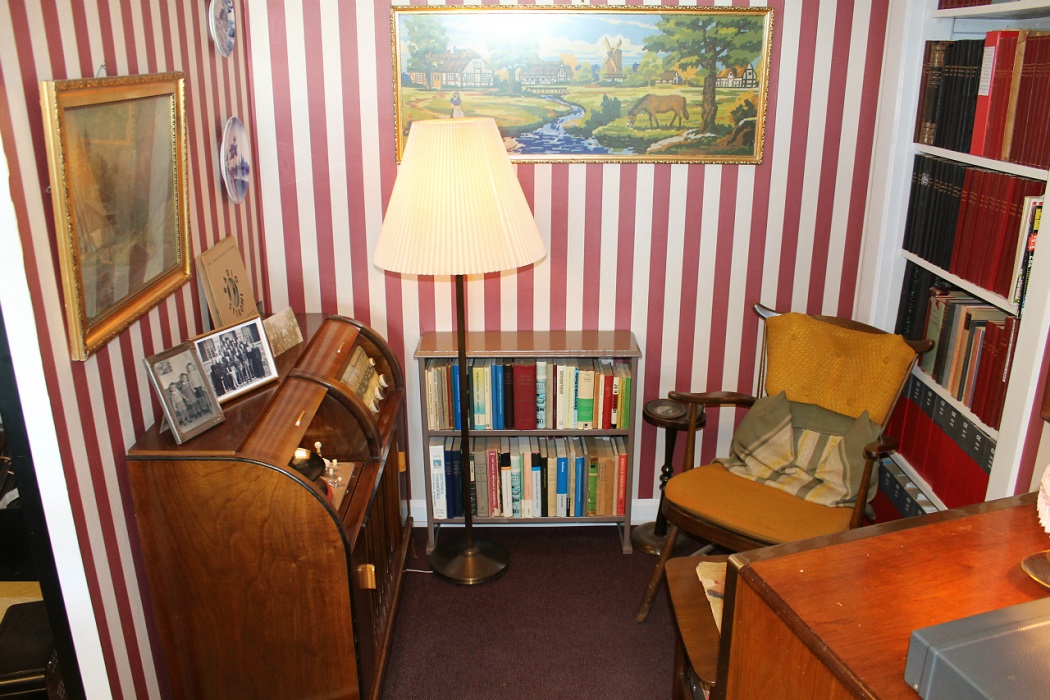
The Nostalgia Corner from a different position
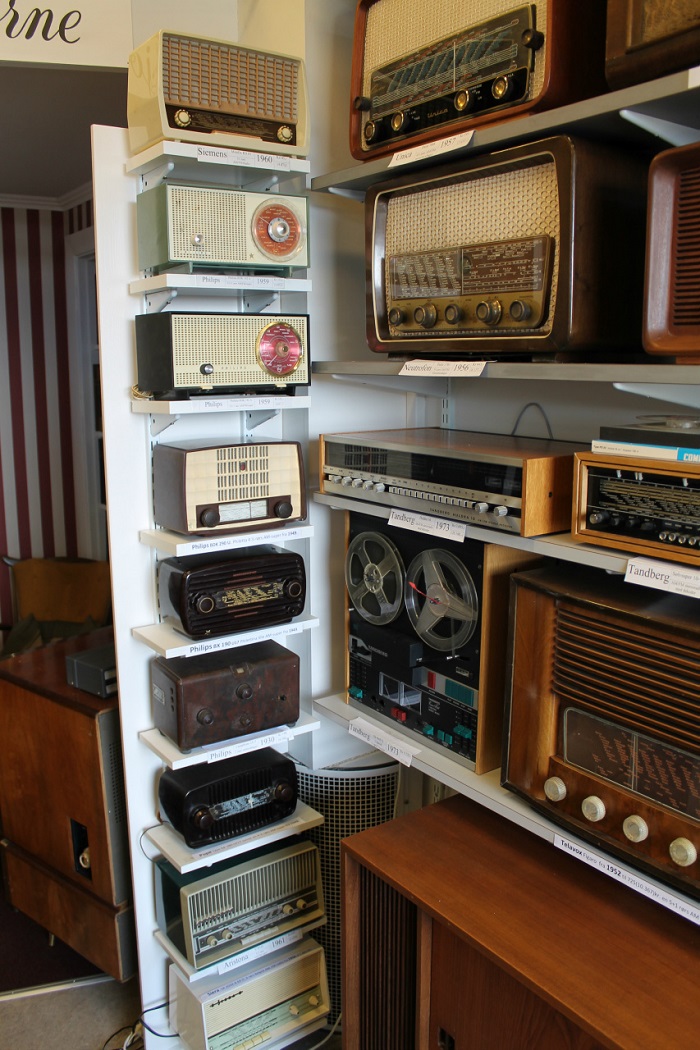
The wall with the smaller radio receivers
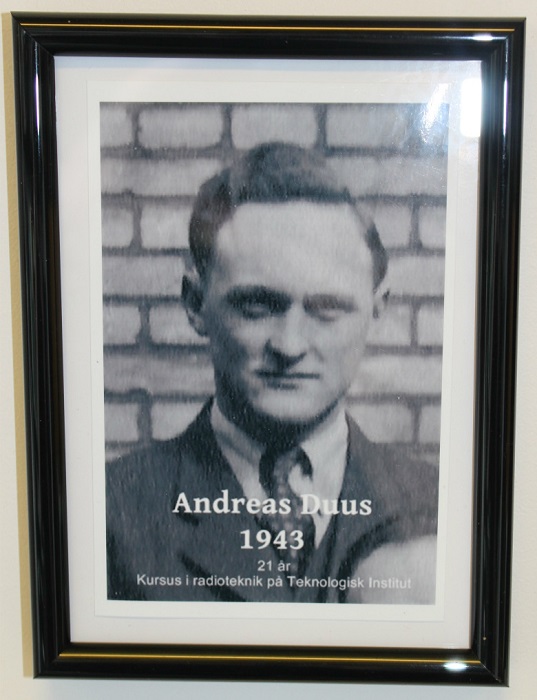
Andreas Duus (1922-1955) - the founder of RADIO Duus, which later became RADIO Stikoni
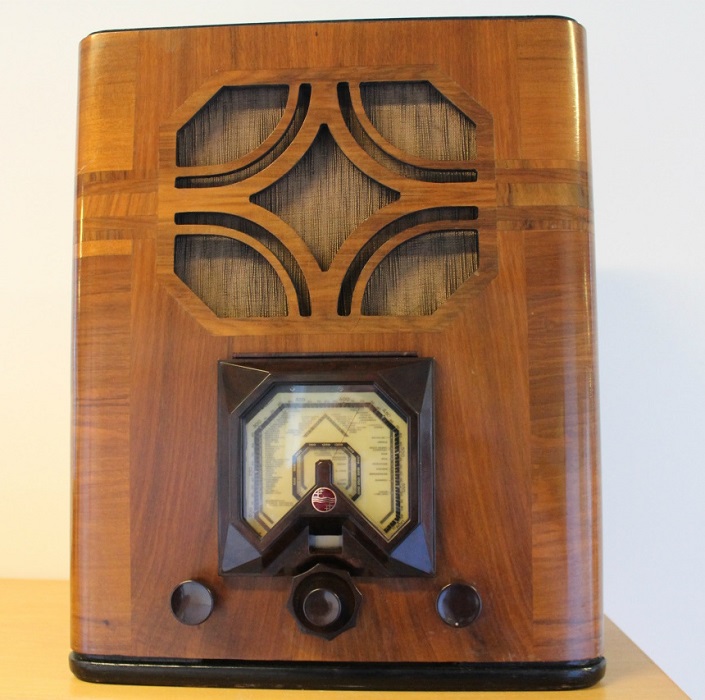
A Philips receiver type 638U from 1934
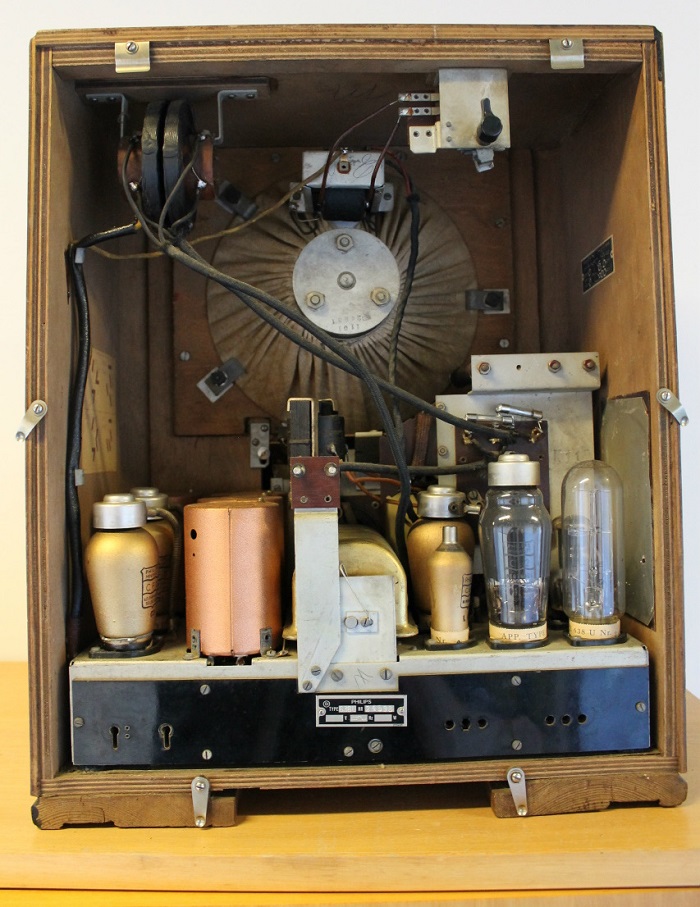
The 638U receiver without the back cover. It's a joy to see the electronics in the old receiver, which otherwise works excellently.
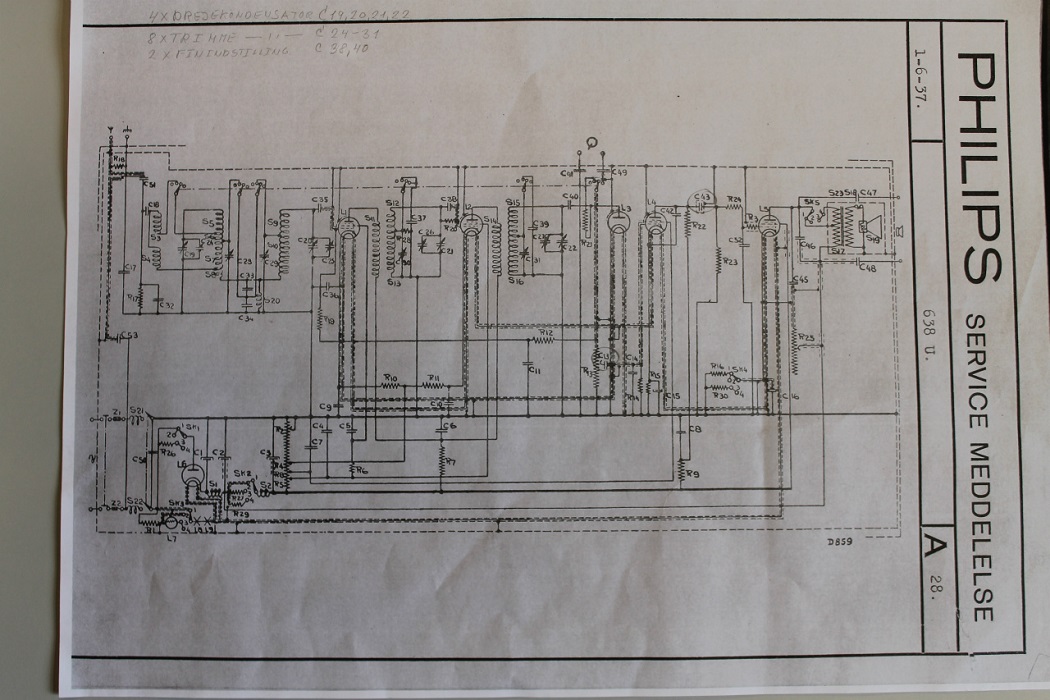
The diagram of the receiver, which is from the time when the "battle" was between the direct receiver and the superheterodyne receiver (called the superreceiver).

Here the old radios are renovated

The workplaces from a different angle
|
1 / 42
The facade facing Jernbanegade
2 / 42
Showcase with components
3 / 42
A look inside the crooked shop. The crooked angle arose when Jernbanegade was cut through to Chr. X.'s bridge in 1929
4 / 42
The store from another angle
5 / 42
The old counter and cash register
6 / 42
The office with the record rack
7 / 42
The office from another angle
8 / 42
The workshop with two measuring stations
9 / 42
Here under the chair hung the can of Slipol - so it was always shaken and ready
10 / 42
The Tefifone. A "tape gramophone" that plays German schlager music
11 / 42
Measuring instrument collection
12 / 42
Instruments from the last century
13 / 42
Great instruments from Radiometer
14 / 42
In the foreground, quality instruments from Brüel & Kjær - and in the background, popular measuring instruments developed by B&O for its own production.
15 / 42
Tasks from radio and electronics mechanic preschool/vocational school
16 / 42
Assignments from the file school - unfortunately the machine vise is missing, as it was only introduced into the teaching at a later time than is applicable to this collection of assignments.
17 / 42
Electrical and mechanical tasks from the file school. On the left a receiver and a superheterodyne receiver - was for good reason nicknamed "The Silent Dane" among the apprentices. On the right measuring instruments
18 / 42
A small corner with marine electronics
19 / 42
From another angle
20 / 42
The crystal receiver - the first very simple receiver, powered solely by the energy of the transmitter, and therefore could only be listened to with high-impedance headphones
21 / 42
Radios from the "beginning"
22 / 42
Radios from World War II
23 / 42
Radios from smaller Danish factories - as well as a single shelf with the Norwegian manufacturer Tandberg
24 / 42
Radios from Arena and LL (Linnet & Laursen)
25 / 42
Philips radio receivers
26 / 42
German radios from both East and West. The Braun set on the right on the shelf was designed by Dieter Rams (educated at the Bauhaus Design School [1919-1933] in Dessau, Germany)
27 / 42
It was these models from Braun that inspired B&O to the design that became the hallmark of the company from around 1964 until today.
28 / 42
B&O from 1936 - the design has changed as much as the technology
29 / 42
Nice old receivers from B&O
30 / 42
B&O Grand Prix from 1953 - here every detail is taken care of
31 / 42
A wall of B&O models representing approximately the last 40 years of the last century
32 / 42
Sit down here, turn on the radiogramophone and dream yourself back in time
33 / 42
The Nostalgia Corner from a different angle
34 / 42
Nostalgia Corner equipped with a new shelf, as well as a front wall, which partly helps to frame the corner, and partly serves as a shelf wall for smaller radio receivers.
35 / 42
The Nostalgia Corner from a different position
36 / 42
The wall with the smaller radio receivers
37 / 42
Andreas Duus (1922-1955) - the founder of RADIO Duus, which later became RADIO Stikoni
38 / 42
A Philips receiver type 638U from 1934
39 / 42
The 638U receiver without the back cover. It's a joy to see the electronics in the old receiver, which otherwise works excellently.
40 / 42
The diagram of the receiver, which is from the time when the "battle" was between the direct receiver and the superheterodyne receiver (called the super receiver). Notice the many tuning circuits that are tuned with a 4-way variable capacitor. Super circuits that were supposed to ensure a neighboring station selectivity that could match the super receiver. Of course, an overly expensive solution, which gave the super receiver the decisive advantage
41 / 42
Here the old radios are renovated
42 / 42
The workplaces from a different angle